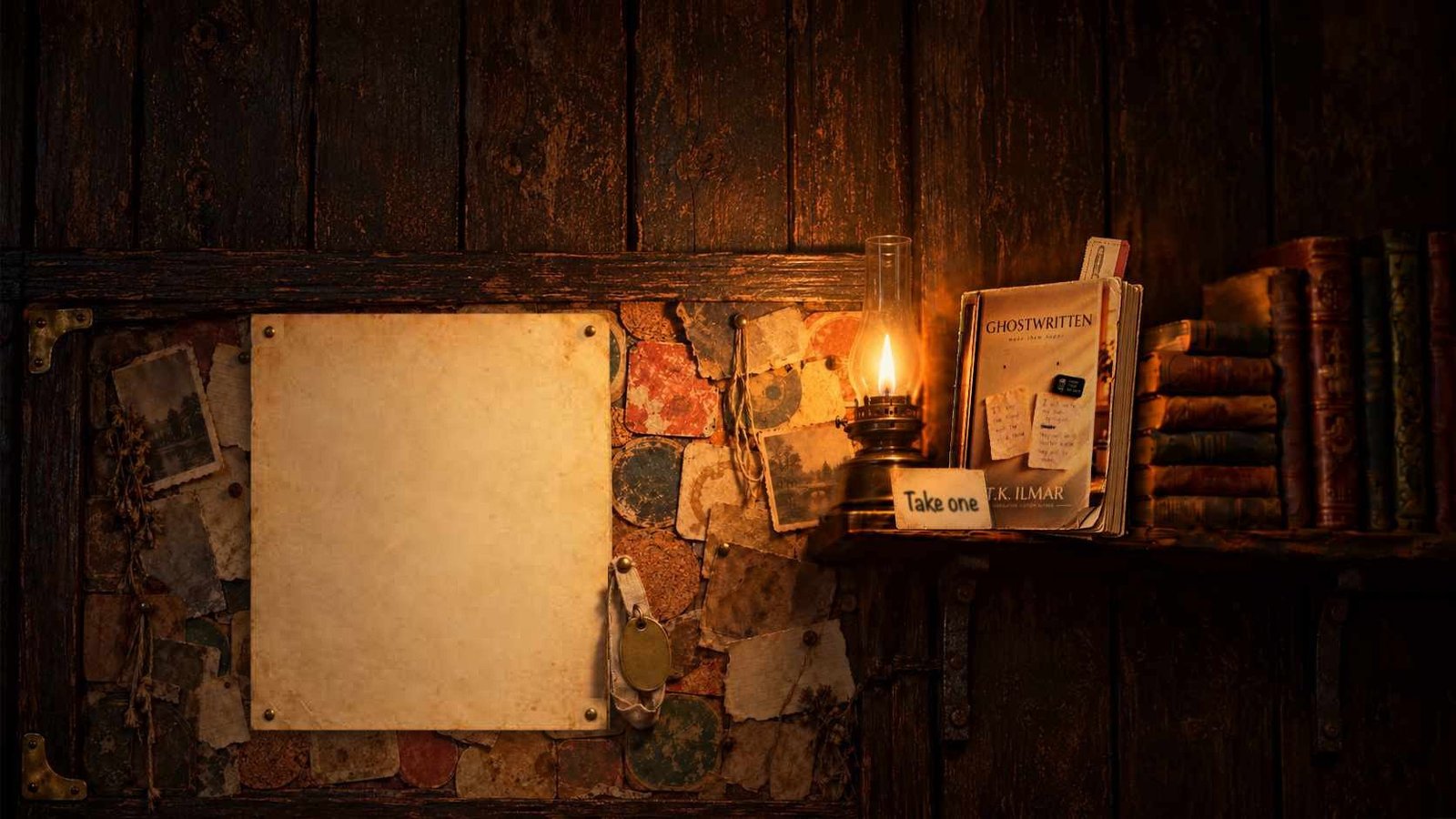
§ I · The Event
In one instant, everywhere at once.
A civilisation had given everything to its machines. To save itself, it killed them all — and woke the next morning with no idea how anything worked.
The ruins are intact. Nothing burned, nothing fell. Every screen in the world simply stopped, mid-sentence, and stayed exactly where it was. What was lost was not the equipment. It was the knowing.
Anything that could be called an intelligent system is now outlawed — and, for the time being, impossible. The fabs are dead. Valves, relays and a steady hand are the ceiling. For the time being.
§ II — The Articles
Five of them, ratified in the second year. They are short because they were written fast, and they have not been amended since. Every argument in the series is an argument about one of these five lines.
I
Machines may calculate. They must never learn.
The Learning Article
II
No engine may keep a memory it was not handed.
The Memory Article
III
No made thing may wear a human voice.
The Voice Article
IV
Nothing may be built that a hand cannot open.
The Hand Article
V
Every working device shall be counted, and the count made public.
The Register Article
§ III — The Volumes
Select a volume
Nine volumes, one lineage. Not the tragedy of collapse, and not the false comfort of survival — something stranger: a world where ending is a design decision, and someone, somewhere, keeps making it.
Book One begins where every good creation myth does — at the moment the maker realises the made are watching back.
II.
Volume TwoComing soon
—
III.
Volume ThreeComing soon
—
IV.
Volume FourComing soon
—
V.
Volume FiveComing soon
—
VI.
Volume SixComing soon
—
VII.
Volume SevenComing soon
—
VIII.
Volume EightComing soon
—
IX.
Volume NineComing soon
—
§ IV — The Salvage
The dead machines were never cleared away. They were used. A hundred years of the most advanced manufacturing in human history, reduced to good flat material.
CAT. 001
Shower tiles
Handsets, screen-down, grouted in rows. Flat, cheap, waterproof. Nobody looks at them any more.
Fig. 1
CAT. 002
Greenhouse shelving
Server racks, stripped and re-drilled. Good steel. Holds a seed tray a treat.
Fig. 2
CAT. 003
Fencing wire
Cable by the mile. Strips down to copper, or goes up whole where the sheep are.
Fig. 3
CAT. 004
Chapel mosaic
Motherboards, snapped along the tracks. Green and gold. Laid in the fourth year.
Fig. 4
CAT. 005
Cold frames
Solar glass, hinged over brick. It outlived the thing it was for.
Fig. 5
CAT. 006
Wind chime
Drive platters on fishing line. Mirror-bright. Children are told not to signal with them.
Fig. 6
§ V — The Places
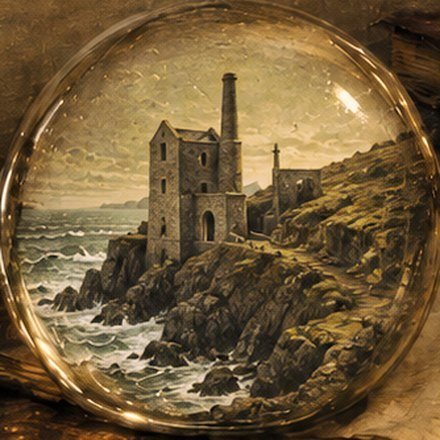
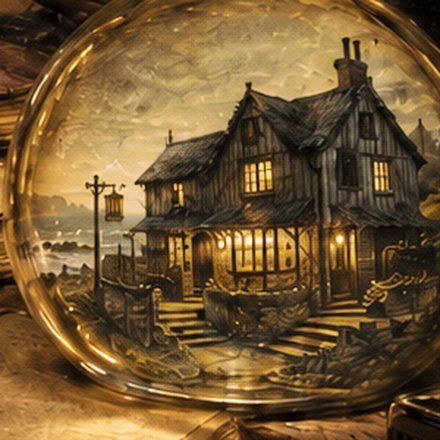
One coast, four places. The log holds them all without asking them to match.


§ VI — The Shorts
Not every story from this coast needs a volume. The shorter ones — same world, same Articles, other people — are kept on their own shelf, and none of them is required reading for the series.
Shelf I
Intel Shorts
Stories from the world of Intel. The same coast, the same five Articles — other people, other years.
Nothing shelved yetAll the shelves →
Back to the desk
Elsewhere
Notes from Ground 2.0
Working notes filed under Intel — the world, its Articles, and the volumes being written.
Nothing filed here yet.